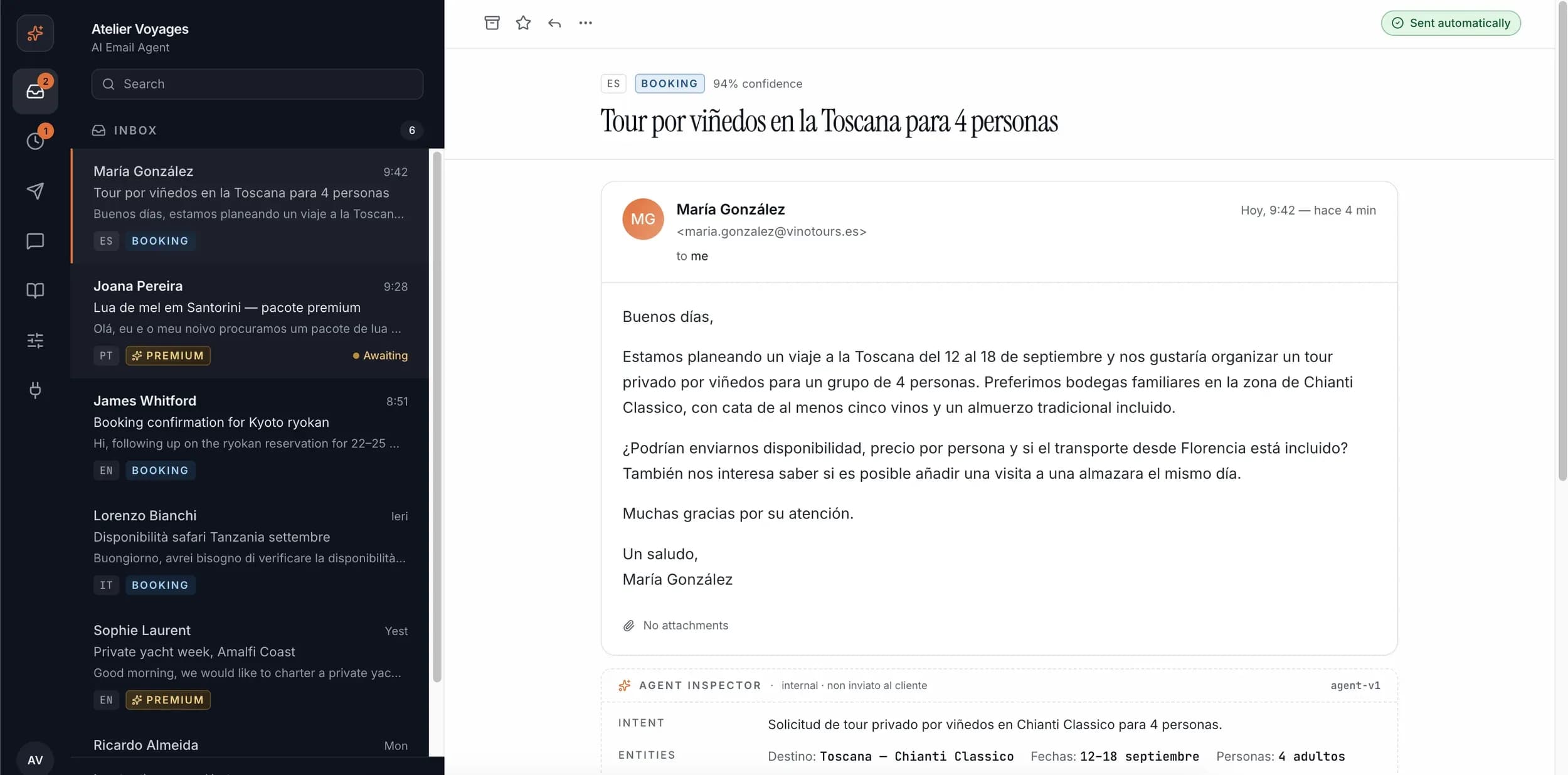
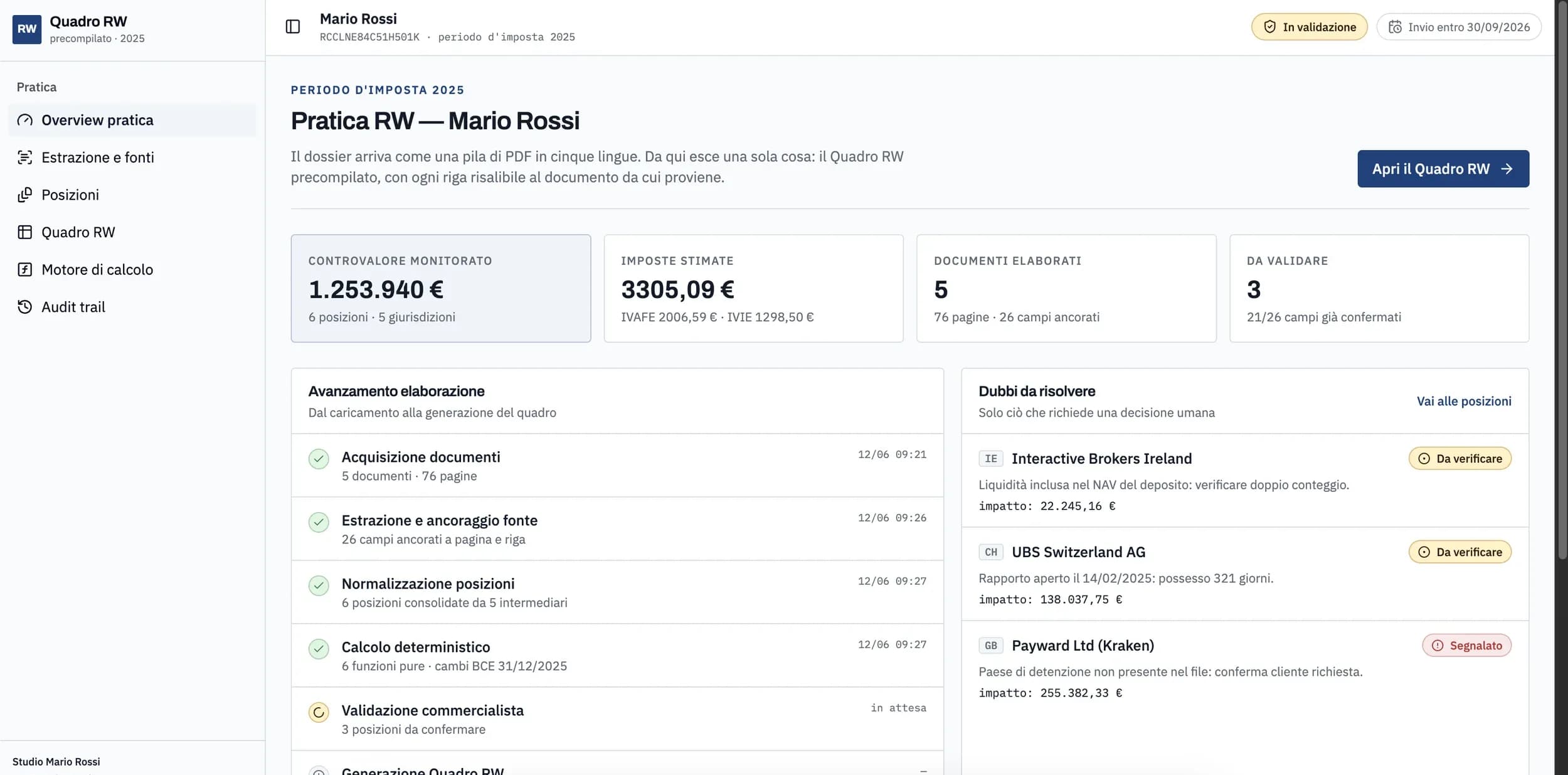
Department-Specific Workflows
Warehouse, accounting, HR, sales: every department has its own workflow, and the software is built around how they actually work, not a generic template.
Management software built on your real processes — not a standard ERP you have to force-fit. Replace spreadsheets and disconnected tools with one system that speaks your company's language.
The key elements this solution is built on, designed to be concrete from the first release.
Warehouse, accounting, HR, sales: every department has its own workflow, and the software is built around how they actually work, not a generic template.
One single source of truth instead of scattered spreadsheets and duplicated information across different tools.
Granular roles and permissions so the software grows with your team without losing control over who sees what.
Brescia is one of the most significant industrial hubs in Northern Italy, with a strong concentration of metalworking, steel and industrial production companies. These are businesses that often already run on outdated management software, built years ago and increasingly difficult to maintain and extend. This article explains how we approach a custom management software project for businesses in Brescia — whether from scratch or replacing legacy systems — and what to expect in terms of timeline and cost.
Every growing company eventually reaches the same fork in the road: keep bending its own processes to fit software designed for a generic average business, or build something that actually reflects how it works. Off-the-shelf management software is designed for the most common case possible, which means it covers basic functionality well but starts showing its limits as soon as a company has a process even slightly different from the norm — a specific quality-control step, a multi-level approval flow, an industry-specific invoicing method.
The most common symptom isn't an obvious malfunction, but the quiet accumulation of 'supporting' spreadsheets alongside the management software: one spreadsheet to track what the software doesn't handle, another to cross-reference data the system doesn't connect. Over time, these spreadsheets become an informal parallel system of their own — often more critical than the official software, but without backups, access control, or a record of who changed what.
The first step isn't technical, it's organizational: we map how the processes the software will cover actually work today, department by department. We don't start from a wish list of features, but from concrete questions — who enters this data, when, and who consults it afterward? What happens today if this step gets skipped? This groundwork is what lets us separate the features that are genuinely necessary from the ones that only seem useful because 'the competitor's system has them too.'
This analysis is what drives module prioritization: we always start with the process that creates the most value if automated or centralized, not the easiest one to build. It's a criterion that protects the initial investment: the first module has to prove a measurable benefit before moving on to the rest of the system.
A common mistake in custom software projects is trying to design, from day one, an architecture that covers every imaginable future scenario. The result is almost always a delay in delivering any real value, with no guarantee that the assumptions about the future turn out to be correct. We prefer a modular architecture that lets features be added when they're actually needed, with a solid data core (records, permissions, organizational structure) built carefully from the start, because that's the part that's most expensive to change later.
This approach also means the management software can start by covering a single department — typically the one with the most painful manual process — and then extend to other departments over time, each with its own analysis and development cycle, without needing to stop or rebuild what's already been built.
A recurring theme with the Brescia-based companies we work with is the presence of an existing management system, often built in-house or by a local vendor years earlier, which has become difficult to modify over time without risking breaking something. In these cases, the work often starts with an audit of the existing system, to understand what's worth keeping and what should be rebuilt from scratch with a more solid architecture.
The metalworking and steel sector in Brescia also has specific traceability and quality-control requirements that need dedicated modules, not simple adaptations of features designed for other industries.
Off-the-shelf management software works fine until it starts feeling too tight: features you never use, others that are missing, and business processes you end up adapting to the software instead of the other way around. We build custom management software starting from your real workflows — warehouse, accounting, HR, sales — so the software adapts to how you actually work. We integrate the systems you already use instead of replacing everything at once, starting with a first high-value module to validate the investment before extending scope.
No modules you'll never use: every feature comes from a real process in your business, not a generic product list.
No more chasing different spreadsheets across departments: data lives in one consistent system, always up to date and accessible to the right people.
Add modules and features when you actually need them, without paying for enterprise capabilities you don't need today.
The concrete path from analyzing your processes to an operational management system, in verifiable phases.
We map workflows department by department, identify where data is created and where it gets lost, and understand which spreadsheets or parallel tools currently make up for the current system's limits.
We identify together the process with the biggest impact if digitized first, and define a closed, measurable scope to validate the investment before extending the project.
We build the module in short cycles, with working versions shown regularly, so you can verify the software actually reflects your processes before the project is complete.
We import existing data (even from spreadsheets or previous management software) and support the team in adopting the new system, so operations don't stop during the transition.
After release, we monitor real-world usage and plan the next modules together based on what creates the most value for your business at that point.
Custom management software makes sense when a company's processes no longer fit an off-the-shelf product, regardless of company size.
Warehouse management, bills of materials, batch traceability and production planning, often too specific for a generic ERP.
Order management, shipment tracking and synchronization across multiple warehouses or points of sale, with processes that vary by supplier and sales channel.
Case management, deadline tracking, project-based or hourly invoicing, often with industry regulations that generic management software doesn't cover well.
Businesses that have outgrown spreadsheets but don't yet have a structured system able to handle a growing number of people, orders, or transactions.
Want to dig deeper?
We build custom management software and tailored internal systems to digitize and automate your business processes. Our solutions integrate with the tools and systems you already use, cutting manual work and helping your operations scale.
A selection of projects where this service played a direct role.